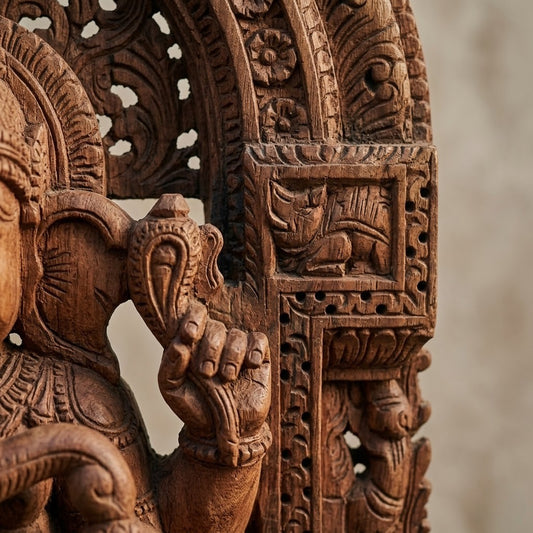
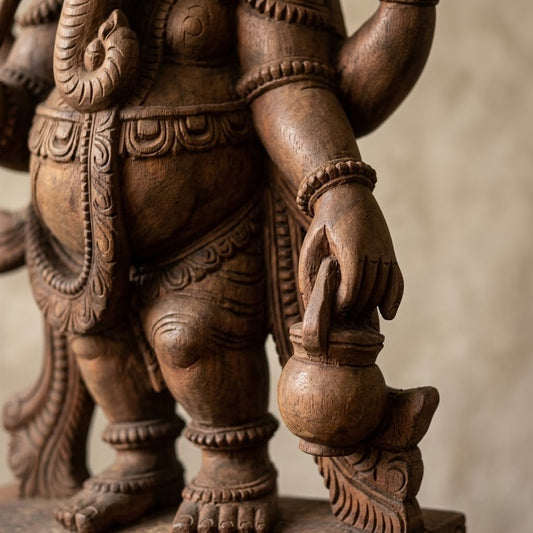
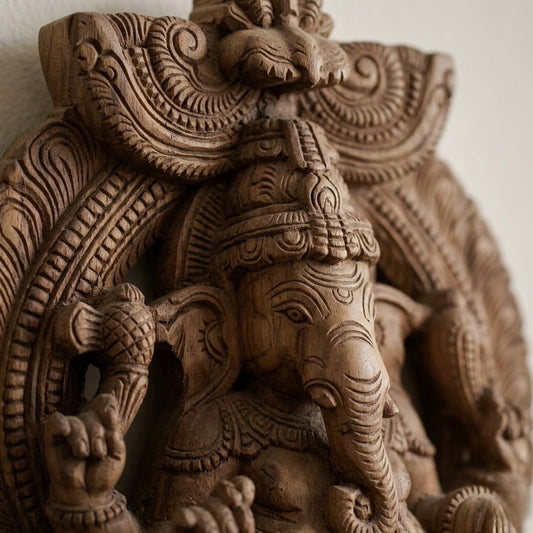
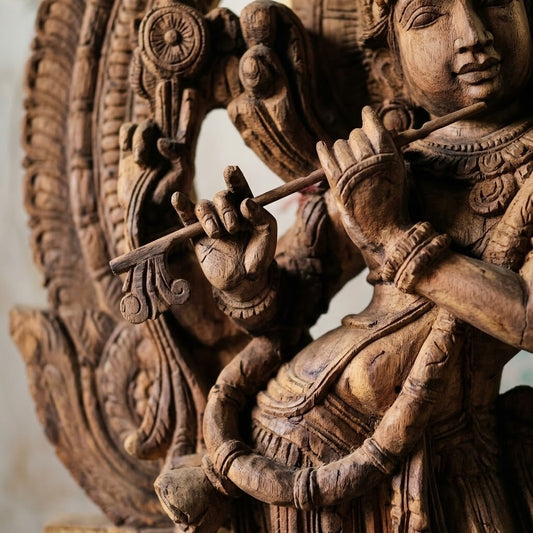
ما هو خشب بولا؟ (علم الأخشاب وهويتها)
الاسم النباتي لخشب بولا
يرتبط خشب بولا عادةً بـبتيروسبيرموم زيلوكاربوموهي نوع من الأشجار المتساقطة الأوراق، توجد في الغابات الجافة بجنوب الهند. قد تختلف التسمية المحلية في الأسواق الإقليمية، لذا يُعد التحقق من المصدر النباتي أمرًا بالغ الأهمية.
نوع خشب بولا
- مصنفة كـنحت الخشب اللين في الهند (الفئة الوظيفية)
- من الناحية الفنية، هو نوع من الأخشاب الصلبة خفيفة الوزن من الناحية النباتية، ولكنه يتصرف مثل خشب النحت الناعم
- مفضل كـمادة نحت الخشب الطبيعي
خصائص خشب البولا
الخصائص والقيمة التقريبية وأهميتها في نحت خشب البولا: كثافة خشب البولا: 400-500 كجم/م³، خشب خفيف الوزن لنحت الألواح، صلابة خشب البولا: 600-800 رطل (مقياس جانكا)، سهل النحت بالإزميل، نمط حبيبات خشب البولا: دقيق، مستقيم إلى متشابك قليلاً، يحافظ على التفاصيل جيدًا، متانة خشب البولا: متوسطة، تتحسن مع التلميع بالزيت، ديكور داخلي يدوم طويلاً
هل خشب البولا خفيف الوزن؟
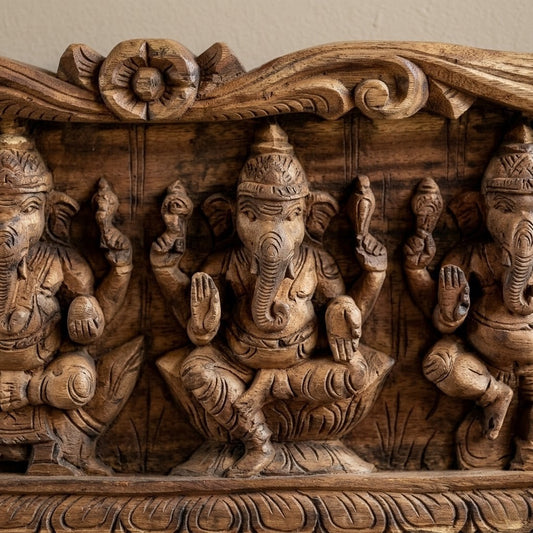
نعم. بالمقارنة مع خشب الساج (حوالي 650-750 كجم/م³) أو خشب الورد (أكثر من 800 كجم/م³)، فإن خشب بولا أخف وزنًا بشكل ملحوظ، مما يجعله مثاليًا للمشاريع الكبيرة.لوحة جدارية منحوتة من خشب البولابدون تدعيم جداري ثقيل.
هل خشب البولا قوي؟
بالنسبة لفئة وزنها، نعم. إنها تدعمنحت خشبي بارزدون أن يتشقق عند تتبيله بشكل صحيح.
هل خشب Poola مقاوم للنمل الأبيض؟
يتمتع بمقاومة طبيعية متوسطة، ولكن لضمان طول عمره، يقوم الحرفيون بتطبيقملمع زيتيأوطلاء لامعتتحسن مقاومة النمل الأبيض عندما يكون الخشب جافًا ومُجهزًا جيدًا.
لماذا يُعتبر خشب بولا أفضل أنواع الخشب للنحت اليدوي في الهند؟
أفضل أنواع الخشب للنحت اليدوي في الهنديتم تحديده بواسطة:
- سهولة النحت
- استجابة الحبوب
- وزن
- مقاومة التشقق
- القدرة على الحفاظ على عمق الراحة
يُظهر Poola أداءً قوياً في جميع هذه المعايير.
لماذا يفضله الحرفيون
- يقطع بشكل نظيف على طول اتجاه الألياف
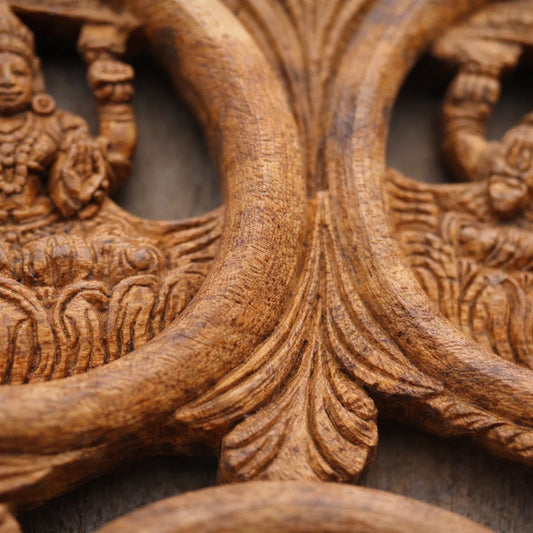
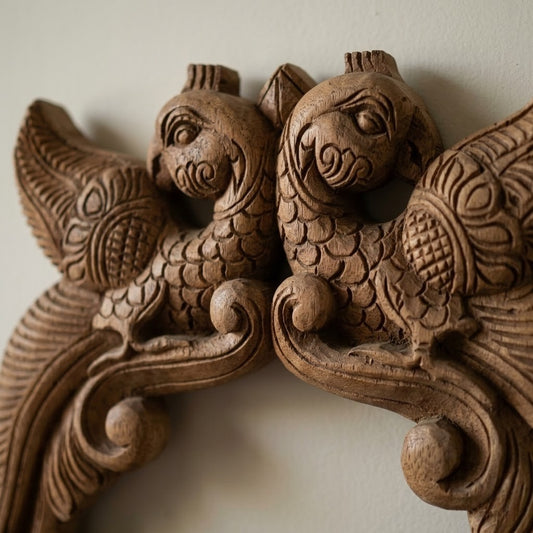
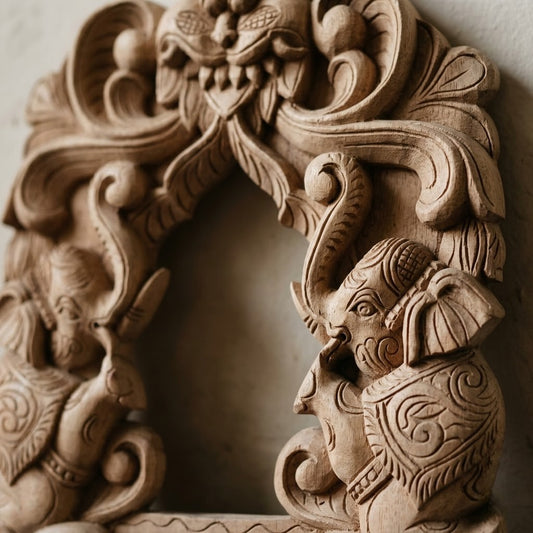
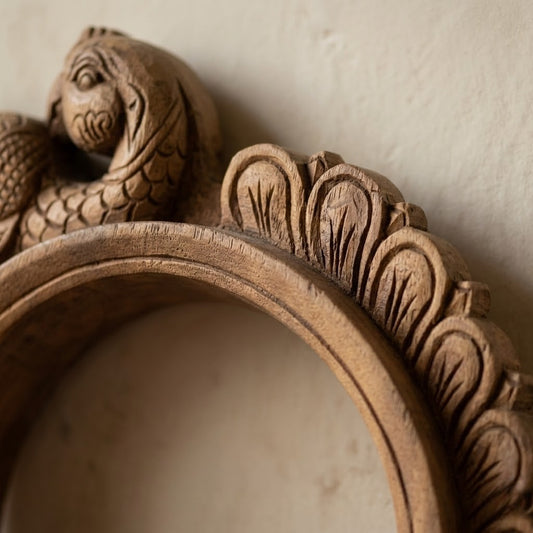
- يقبل التفاصيل فيتصميم نحت خشبي مزخرف بالزهور
- يسمحنحت شبكي خشبي
- مثالي لـألواح خشبية منحوتة هندسياً
- يُمكّن من استخدام تقنية نحت الخشب الهندية التقليدية بدون أدوات كهربائية
لهذا السببنحت الخشب التقليدي في بولالا يزال يعتمد علىنحت الخشب باستخدام الأدوات اليدويةبدلاً من توجيه الآلة.
تاريخ نحت الخشب في بولا
أصل نحت الخشب في بولا
التاريخ نحت الخشب في بولايعود تاريخ استخدام الخشب إلى جنوب الهند في القرنين السادس عشر والسابع عشر، خلال فترة حكم سلالة ناياك في مادوراي وتانجافور. وقد استُخدم الخشب على نطاق واسع في:
- أبواب المعبد
- أسقف الماندابام
- أعمدة
- اللوحات المقدسة
يشكل هذا جزءًا منتاريخ نحت الخشب التقليدي الهنديوأوسع نطاقاًتقاليد نحت الخشب في جنوب الهند.
نحت الخشب في المعابد الهندية
أصبح خشب البولا مناسبًا لتصميمات المعابد الداخلية للأسباب التالية:
- القدرة على التكيف مع المناخ
- سهولة نحت الزخارف المقدسة
- تركيب خفيف الوزن على الأسقف
وهذا يرتبط بـالأهمية الثقافية للنحت على الخشب في الهندوخاصة فيالمنحوتات الخشبية المقدسة في الهند.
حرفة نحت الخشب المتوارثة عبر الأجيال
واليوم، تواصل العائلات الحرفية في تاميل نادو هذا العمل.الحرف الخشبية التراثية في الهند، والعمل في ورش عمل حرفية صغيرة حيث يتم تناقل التقنيات عبر الأجيال.
عملية نحت الخشب الحرفية (خطوة بخطوة)
تقليديفن نحت بولا في الهنديتبع عملية يدوية منضبطة:
1. اختيار الخشب المعالج
يتم تجفيف الخشب بالهواء لمدة تتراوح بين 6 و 12 شهرًا لمنع التواءه.
2. تصميم التخطيط
تم رسم الزخارف المستوحاة من فن العمارة المعبدية مع مراعاة اتجاه ألياف الخشب.
3. نحت خشن
باستخداممطرقةوإزميليقوم الحرفيون بإزالة المواد بكميات كبيرة.
4. النقش البارز
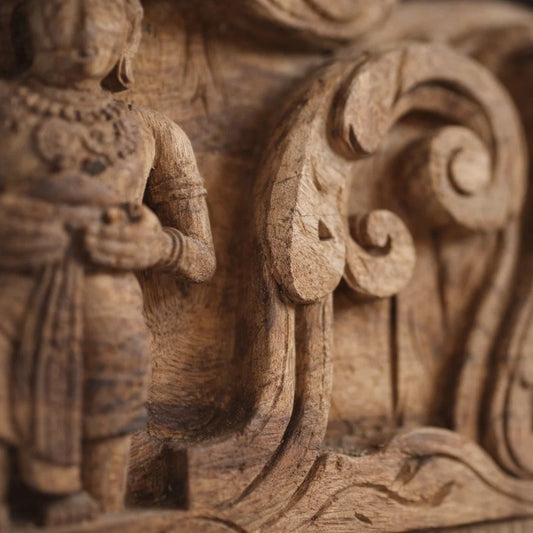
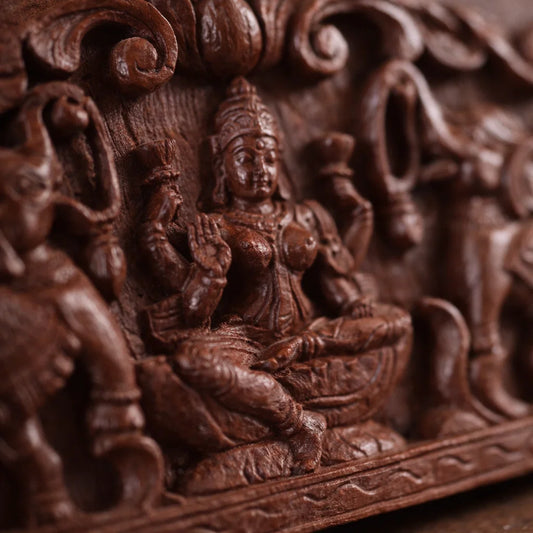
يبني نحت الخشب البارز العميق هيكلاً ثلاثي الأبعاد (يصل عمق النحت البارز إلى 5-10 سم).
5. التفاصيل
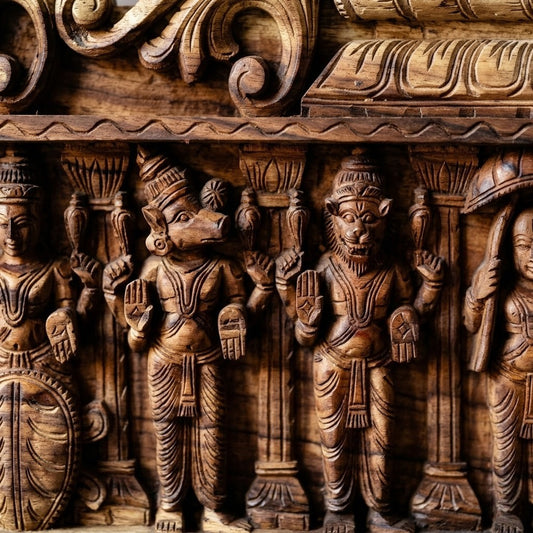
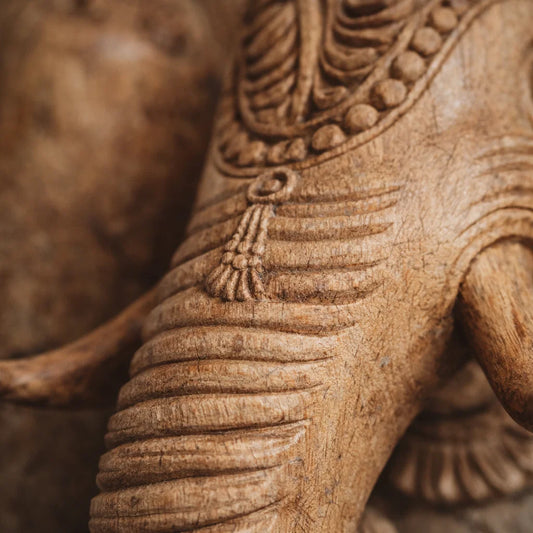
تُستخدم الأزاميل الدقيقة لصقل البتلات والتماثيل والشبكات.
6. التشطيب اليدوي
يتم تنعيم السطح يدويًا.
7. تطبيق اللمسة النهائية الطبيعية
خيارات:
- ملمع زيتي
- طلاء لامع
- لمسة نهائية طبيعية غير لامعة
قد تستغرق عملية نحت الخشب الحرفية بأكملها من 20 إلى 100 ساعة أو أكثر حسب الحجم والتفاصيل.
أنواع منتجات نحت الخشب من بولا
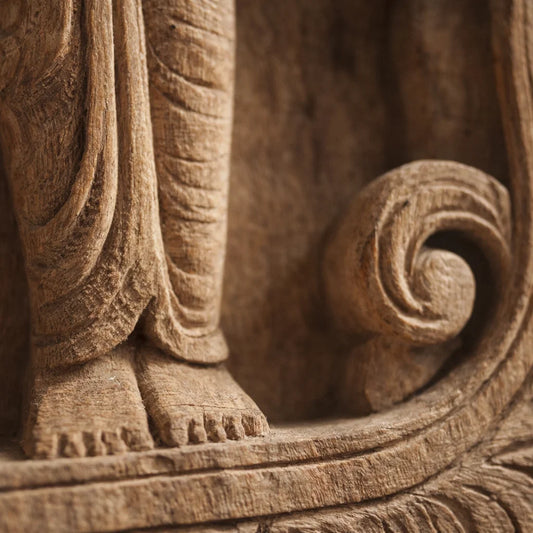
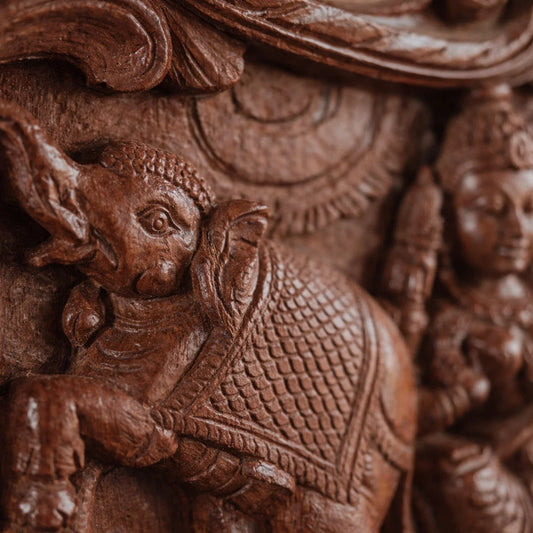
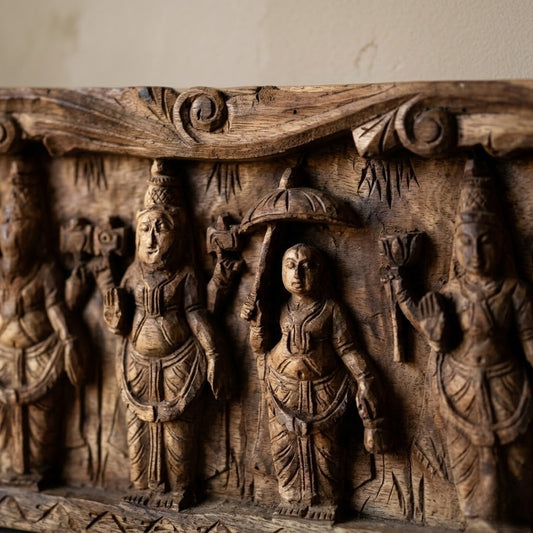
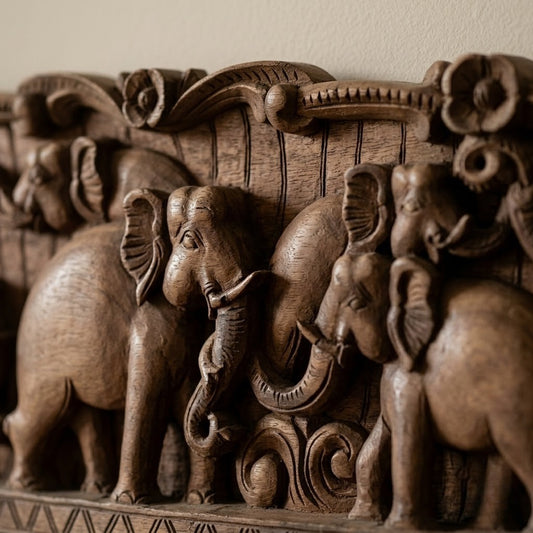
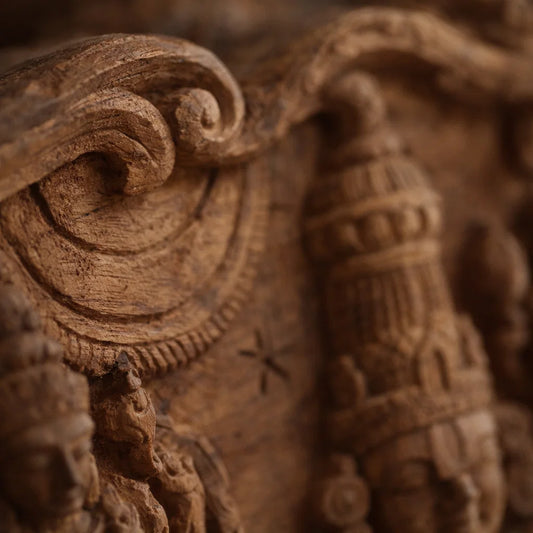
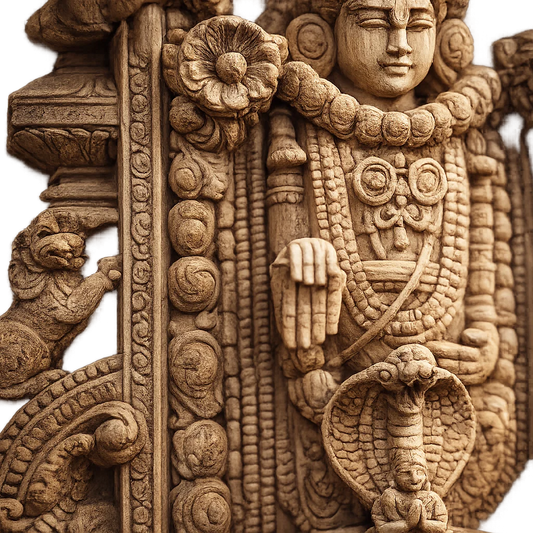
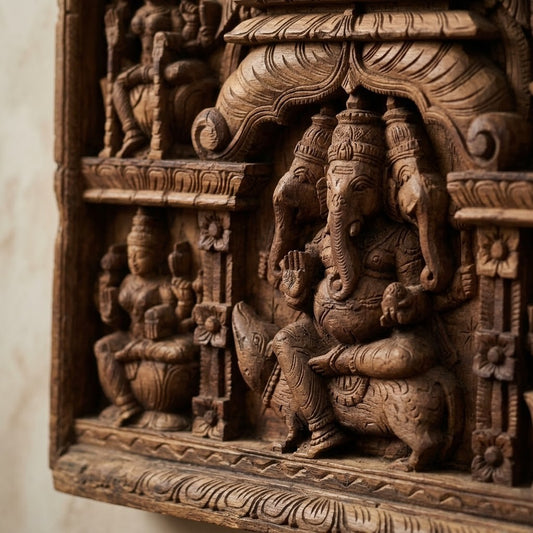
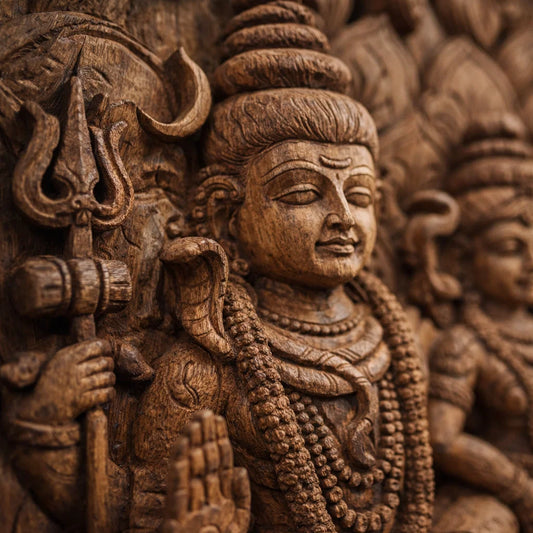
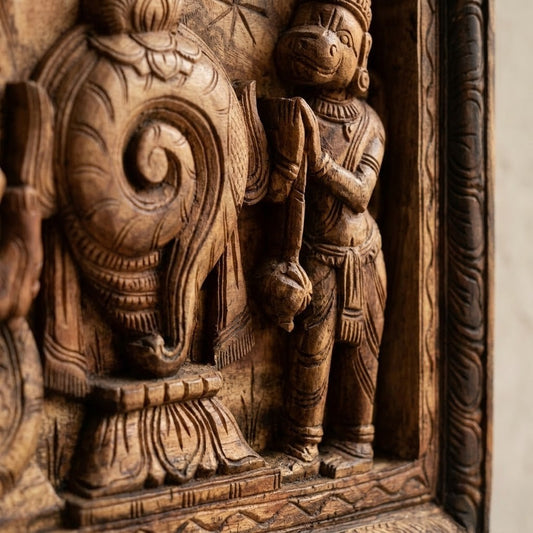
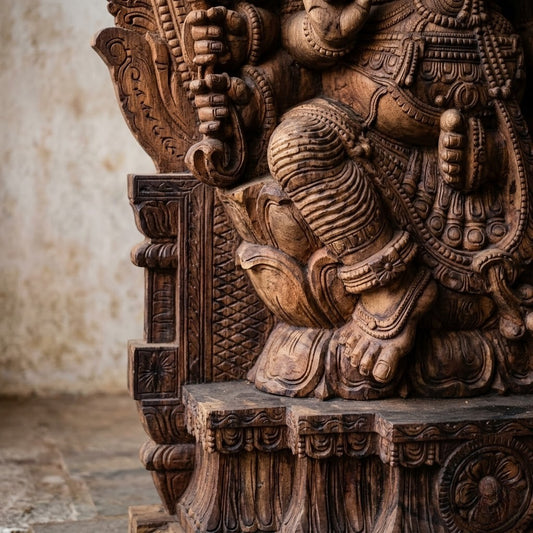
لوحة خشبية منحوتة من خشب البولا
شكل مستطيل أو مربع كلاسيكي للجدران.
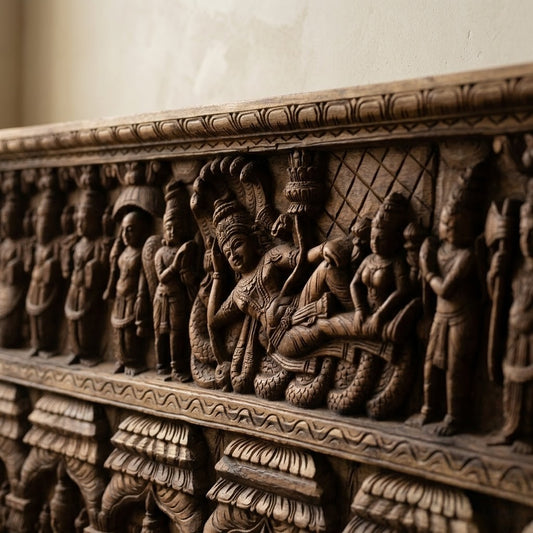
نحت جداري من خشب بولا
ديكور معماري ذو حجم كبير.
نحت بارز من خشب بولا
ألواح منحوتة ذات بروز عميق.
ديكور منحوت من خشب البولا الأصلي
يشمل:
- فن جداري
- فواصل التقسيم
- تركيبات السقف
- ألواح خلفية لغرفة الصلاة
الاستدامة والجوانب الأخلاقية لنحت الخشب في بولا
نحت الخشب المستدام في الهندتركز الممارسات على ما يلي:
- مصادر الأخشاب الخاضعة للرقابة
- استخدام الخشب المعالج
- عمر المنتج طويل
وهذا يتوافق مع:
- ديكور خشبي صديق للبيئة
- الحرف اليدوية الأخلاقية في الهند
- ديكور مستدام مصنوع يدويًا
تُعد الإدارة السليمة للغابات أمراً ضرورياً؛ فالاستدامة تعتمد على ممارسات الموردين.
استخدامات نحت خشب البولا في التصميمات الداخلية الحديثة
لوحة جدارية منحوتة من خشب البولايُستخدم في:
- غرف المعيشة
- غرف المعبد
- فنادق بوتيكية
- المراكز الثقافية
يختاره مصممو الديكور الداخلي لأنه:
- خفيف الوزن
- مفصل
- يمكن تركيبه بدون تثبيت ثقيل
- يتميز بمظهر درامي بصري بفضل عمق النقوش البارزة
معلومات تجارية وتوريد
إذا كنت تبحث عن:
- نحت الخشب في بولا عبر الإنترنت
- اشترِ منحوتات خشبية من بولا، الهند
- لوحة خشبية منحوتة من خشب البولا للبيع
- نحت الخشب اليدوي عبر الإنترنت في الهند
- لوحة نحت خشبية مخصصة من الهند
- مورد بالجملة لأدوات نحت الخشب في الهند
- تصدير المنحوتات الخشبية من الهند
- مصنعي المنحوتات الخشبية في الهند
نقدم جميع أنواعنحت خشبي هندي من نوع بولا، بما في ذلك الأبعاد المخصصة، وتركيبات الجدران الكبيرة، واللوحات ذات الحجم المعماري.
لسعر نحت الخشب في بولاللاطلاع على المواصفات التفصيلية، يرجى زيارة قسم المنتج في نهاية هذه الصفحة.
لماذا يُعد فن نحت الخشب في بولا ذا أهمية اليوم؟
- يحافظ على تقنيات نحت المعابد
- يدعم مجتمعات الحرفيين المتوارثة عبر الأجيال
- يوفر فنًا معماريًا خفيف الوزن
- يقدم أعمالاً فنية يدوية الصنع من الخشب الطبيعي المستدام
قلة من الحرف اليدوية توازن بين العمق الهيكلي والوزن الخفيف والتفاصيل اليدوية بفعالية مثلحرفة نحت الخشب في بولا، الهند.