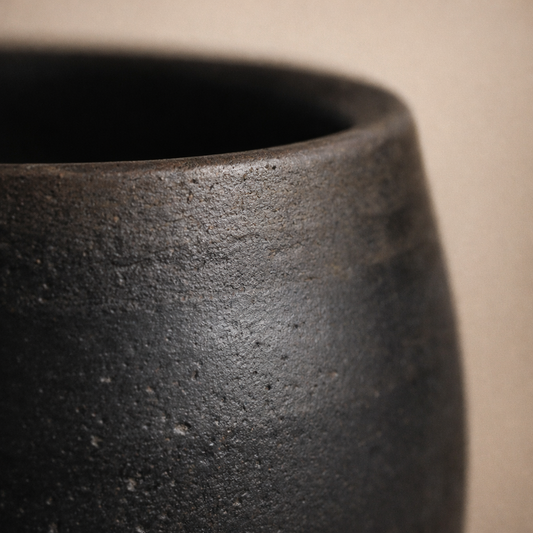
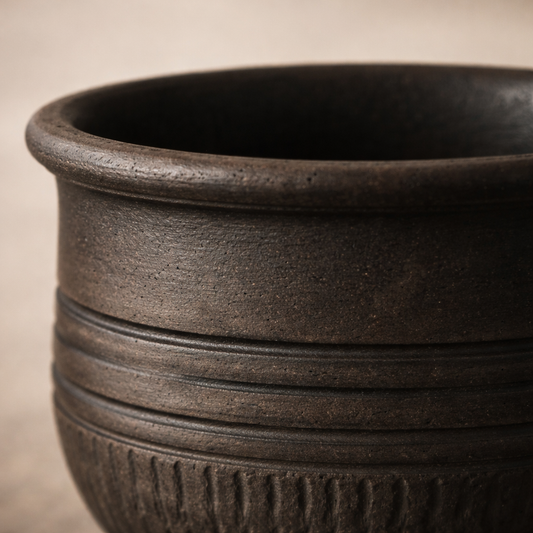
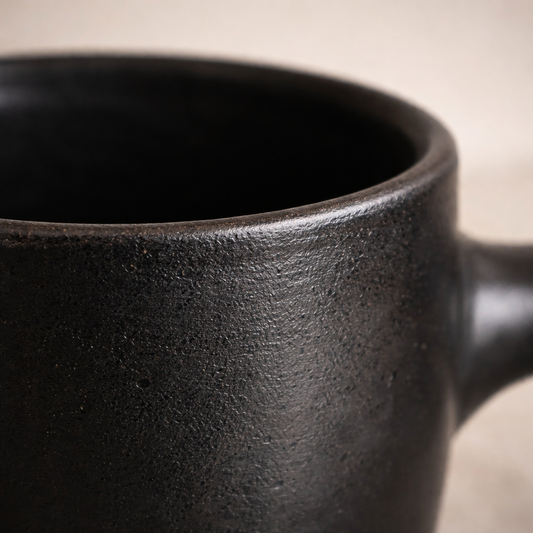
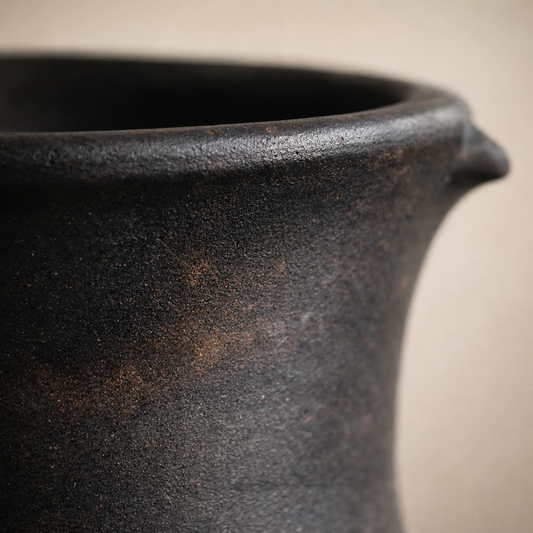
What is Nizamabad Black Pottery?
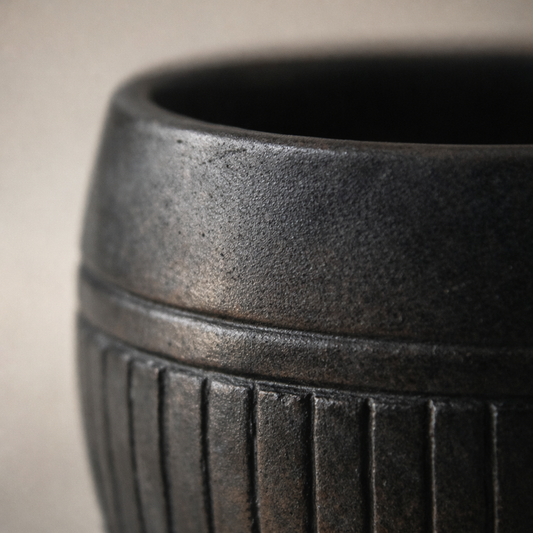
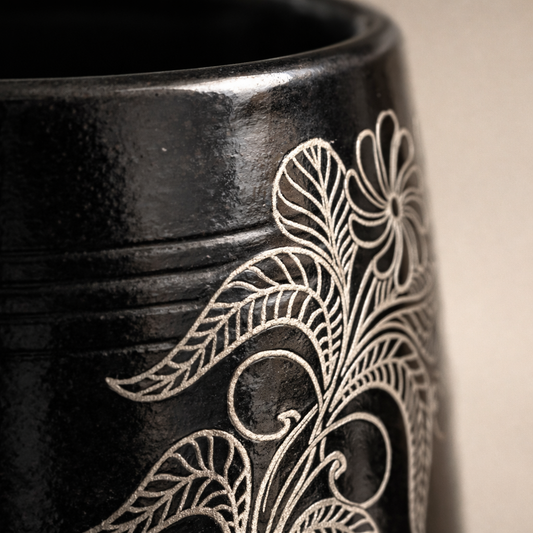
Nizamabad Black Pottery is a traditional handcrafted pottery from Nizamabad town in Azamgarh district, Uttar Pradesh, and is one of India's few pottery traditions to receive a Geographical Indication (GI) Tag. The craft is distinguished by its natural jet-black surface and hand-engraved metallic silver designs, a combination that has made it one of the country's most recognisable forms of decorative pottery. The tradition has been practiced for over 500 years, with its present style developing during the Mughal period under the influence of Persian decorative art.
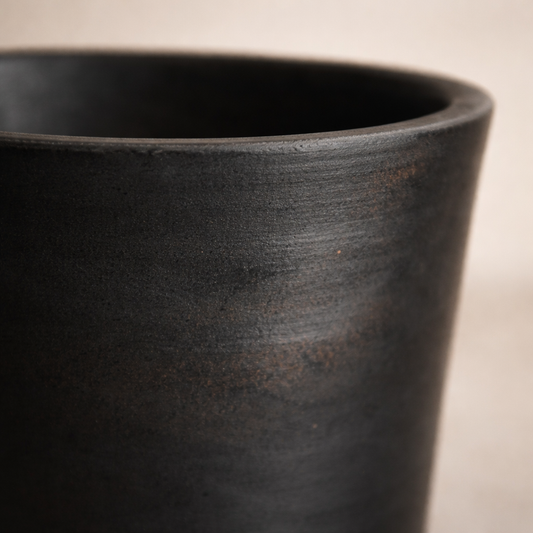
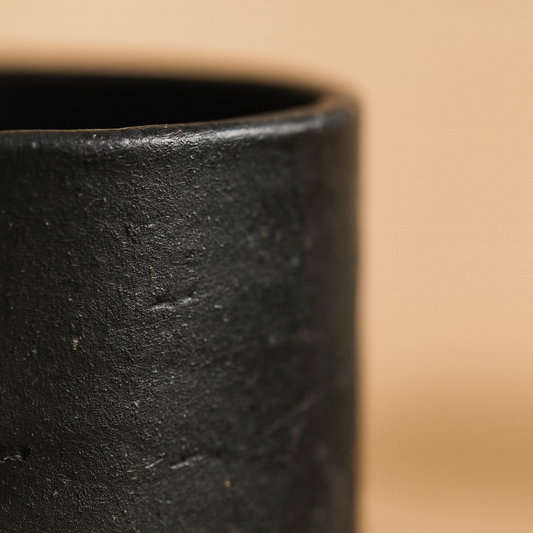
The defining feature of Nizamabad Black Pottery is its deep black colour, which is created naturally through a traditional oxygen-reduction firing technique rather than paint, glaze, or chemical colouring. During firing, the kiln is sealed to restrict the oxygen supply, causing the iron compounds present in the clay to react and produce the pottery's characteristic black finish. This centuries-old process requires precise control of temperature and firing conditions and is one of the reasons the craft remains difficult to replicate.
Its signature silver decoration is also entirely handcrafted. After the pottery is fired, artisans manually engrave intricate floral, geometric, and traditional motifs onto the surface before rubbing a specially prepared metallic powder into the engraved lines and polishing the piece. Although the finished patterns have a silver-like appearance, they are not made from pure silver, making the craft visually distinctive while remaining true to its traditional methods.
Authentic Nizamabad Black Pottery is produced by artisan families in and around Nizamabad, Azamgarh, where the knowledge has been passed down through generations. Every stage of production—including clay preparation, wheel throwing, drying, engraving, firing, polishing, and finishing—is carried out by hand. As a result, no two pieces are exactly identical, reflecting the craftsmanship of individual artisans rather than machine manufacturing.
The craft was awarded a GI Tag because its quality, appearance, and traditional manufacturing process are directly linked to its geographical origin and the specialised skills of local artisans. A GI Tag legally recognises this connection, helping protect authentic Nizamabad Black Pottery from imitation while preserving one of Uttar Pradesh's most significant traditional handicrafts. Today, its 500-year heritage, complete handmade production, unique black firing process, metallic silver engravings, and protected GI status continue to make Nizamabad Black Pottery an important symbol of India's living craft traditions.
What Is Black Pottery in Simple Words?
Black pottery is a type of pottery that gets its natural black colour during the firing process instead of from paint or glaze. It is made by shaping natural clay into different forms and firing it in a kiln with very little oxygen, causing the clay to turn black. While black pottery is made in different parts of the world, Nizamabad Black Pottery from Uttar Pradesh is one of India's most famous examples. It is known for its jet-black finish, hand-engraved metallic silver designs, and centuries-old handmade craftsmanship. Every piece is individually crafted by artisans, making each item unique while preserving a traditional pottery-making technique that has been passed down for more than 500 years.
How Is Black Pottery Made? Step-by-Step Process of Nizamabad Black Pottery
If you’re searching “How is black pottery made?”, here is the most useful answer: Nizamabad black pottery is made by preparing clay, shaping the object by hand or wheel, drying it, decorating the surface with etched motifs, and firing it in a controlled low-oxygen environment that turns the pottery black. It is then finished to achieve its characteristic shine and ornamental detailing.
Below is the process in a more detailed, practical form.
Step 1: Clay Selection and Preparation
The process begins with clay collection and preparation. Artisans select suitable clay, clean it, and work it into a usable consistency by removing impurities and making it pliable enough for shaping.
Why this step matters
The quality of clay affects:
- the smoothness of the finished surface
- how well the object can be shaped
- how the piece behaves during drying and firing
- the sharpness of decorative work later on
Step 2: Shaping the Pottery
The clay is then shaped into the desired form. Depending on the object, this may be done on a potter’s wheel or through hand-forming methods.
Common forms can include:
- vases
- pots
- bowls
- planters
- diya-like decorative forms
- utility vessels
- ornamental craft pieces
At this stage, the object is still raw and fragile.
Step 3: Drying the Form
Once shaped, the pottery is left to dry—usually under carefully controlled conditions so the form sets properly before decoration and firing.
Why drying matters
If moisture remains unevenly in the clay, the piece may:
- crack during firing
- warp in shape
- lose surface precision
- break under heat stress
Step 4: Surface Smoothing and Pre-Finishing
Before decoration, artisans refine the surface. This helps create the clean, even base that Nizamabad black pottery is known for.
Some descriptions of the craft also mention the use of surface treatment methods such as oiling or polishing at different stages to improve the final sheen and finish.
Step 5: Hand Engraving the Motifs
This is one of the most important stages. The surface is etched or engraved by hand with decorative patterns. These motifs are part of what makes famous black pottery from Nizamabad visually distinct.
Common motif styles may include:
- floral patterns
- vines and leaf forms
- geometric arrangements
- ornamental bands
- traditional repetitive line work
- stylized folk-inspired detailing
The engraving is not just decoration—it creates the visual rhythm that later catches the metallic highlight.
Step 6: Black Firing in a Low-Oxygen Environment
This is the defining step in how black pottery is made.
The pottery is fired in a way that reduces oxygen exposure, which changes how the clay reacts under heat. Instead of firing into a typical reddish terracotta tone, the pottery develops its signature black color.
Why this matters
The black surface is not just painted on like a casual coating. It is tied to the firing method and the finishing tradition, which is why authentic black pottery feels materially different from simple painted pottery.
Step 7: Final Surface Finishing and Decorative Highlighting
After firing, artisans complete the visual identity of the piece by enhancing the engraved areas and finishing the surface for a polished look. This is where the pottery gets the rich black sheen and silver-toned engraved contrast that people associate with Nizamabad black pottery online and handcrafted collector pieces.
Nizamabad Black Pottery Process
Here is the same process in a simplified structured format instead of a table:
Clay preparation
Clay is selected, cleaned, and conditioned so it becomes suitable for shaping. This stage is important because it determines the strength, smoothness, and workability of the final piece.
Forming
The clay is shaped into vessels or decorative forms. This is the stage where the base object is created.
Drying
The form is dried before firing. This helps prevent cracking, warping, and structural weakness during later stages.
Surface refinement
The pottery surface is smoothed and prepared before decoration. This helps create the clean and polished look associated with Nizamabad black pottery.
Engraving
Motifs are etched by hand onto the surface. This stage gives the craft its signature decorative identity.
Black firing
The piece is fired in a low-oxygen environment. This is what creates the distinctive black body of the pottery.
Final finishing
The surface and engraved details are enhanced after firing. This produces the lustrous and ornamental final look.
What Are the Main Features of Nizamabad Black Pottery?
Nizamabad black pottery is easy to recognize once you know what to look for. Its identity comes from a combination of surface, color, decoration, and craft finish.
Key features of black pottery Nizamabad
1) Deep black body
The black finish is the first thing most people notice. It gives the craft a dramatic yet elegant presence.
2) Hand-engraved motifs
The surface is not flat or generic. It is enriched with decorative incisions that add detail and craftsmanship.
3) Metallic-looking contrast
The engraved portions often appear highlighted in a silver-toned finish, which creates a striking contrast against the black background.
4) Handmade irregular beauty
Like most authentic handmade work, small variations can be part of the charm. They indicate human making rather than machine uniformity.
5) Strong décor appeal
The visual language of Nizamabad black pottery works beautifully in both traditional and contemporary spaces.
Why Is Nizamabad Black Pottery Unique Compared to Other Indian Pottery Traditions?
India has many ceramic and pottery traditions—terracotta, blue pottery, glazed pottery, tribal clay forms, and regional ceremonial ware. What makes Nizamabad black pottery stand apart is the combination of black firing, engraved ornamentation, and place-specific identity.
Nizamabad Black Pottery Compared to Other Pottery Styles
Standard terracotta
Standard terracotta usually has a red-brown clay finish. The key difference is that terracotta generally keeps its natural earthy fired color, whereas Nizamabad black pottery is known for its black polished finish.
Blue pottery
Blue pottery is more glaze-led and color-led, with decorative painted surfaces. Nizamabad black pottery, by contrast, is more engraving-led and black-surface-led.
Painted folk pottery
Painted folk pottery relies more on hand-painted motifs over clay surfaces. Nizamabad black pottery is better known for etched and metallic-style surface detailing.
Utility earthenware
Utility earthenware is often made primarily for function. Nizamabad pieces frequently carry stronger decorative, gifting, and collectible appeal.
Why People Buy Black Pottery Today
Searches like black pottery azamgarh online shopping, handmade black pottery azamgarh, and nizamabad black pottery online are not only about craft history. They often reflect real buying intent.
People buy black pottery for several reasons:
1) Home décor with character
Black pottery adds depth and contrast to a room, especially in neutral, earthy, rustic, or handcrafted interiors.
2) Heritage gifting
It works well as a meaningful gift because it carries story, region, and craftsmanship.
3) Collecting Indian craft
For people who collect handmade Indian objects, Nizamabad black pottery offers both visual distinction and cultural value.
4) Styling modern homes with handmade accents
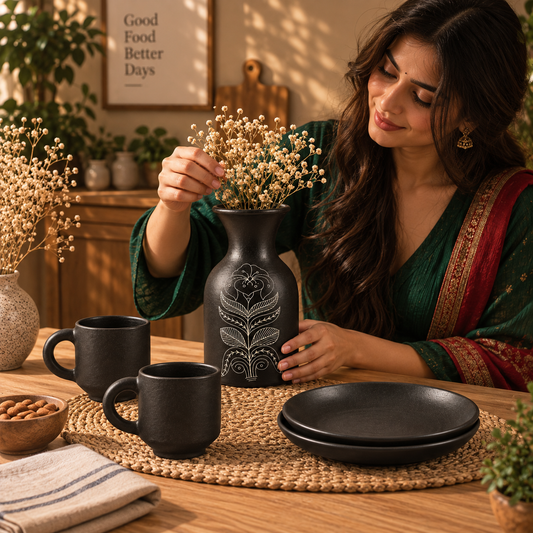
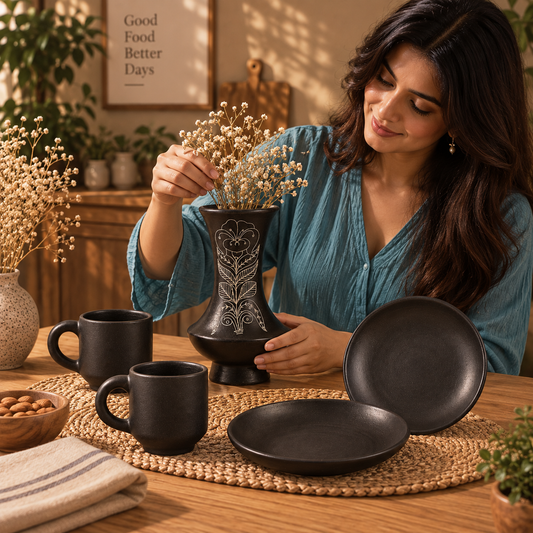
The craft suits entry consoles, shelves, coffee tables, wall niches, dining corners, and styled vignettes.
5) Supporting artisan-led purchases
Many buyers now prefer objects with provenance, handmade value, and lower emotional disposability than mass-market décor.
Nizamabad Black Pottery in Modern Interiors
One reason famous black pottery continues to stay relevant is that it works surprisingly well in modern spaces.
Where black pottery works beautifully in a home
Living room
Use a black pottery vase or decorative vessel as a sculptural accent on:
- a console table
- a bookshelf
- a side table
- a layered coffee table displayDining area
A cluster of black pottery pieces can add warmth and craft depth to a dining console or open shelf.
Entryway
A statement handcrafted piece near the entrance creates a strong first impression.
Bedroom styling
Smaller pottery pieces can be used on dressers, side tables, or display ledges for a quieter, more intimate craft presence.
Gifting and festive décor
Because the craft feels both traditional and elegant, it can fit well into festive gifting, housewarming gifting, and heritage-inspired décor moments.
Who Should Buy or Explore Nizamabad Black Pottery?
Nizamabad black pottery is especially relevant for:
Home décor buyers
If you want handmade décor with depth, texture, and heritage value, this craft is worth exploring.
Interior designers and stylists
It works as a strong regional craft accent in homes, hospitality spaces, and curated interior styling projects.
Gifting buyers
It makes sense for those who want a gift with story and identity rather than generic décor.
Collectors of Indian craft
Because of its GI-linked regional identity and recognizable technique, it has collectible value.
Conscious buyers
If you prefer objects that support artisans and slow craft traditions, black pottery is a meaningful category.
Students, researchers, and craft learners
If you’re researching what is the history of Nizamabad black pottery or how black pottery is made, this is one of the most important black pottery traditions to study in North India.
Exploring Nizamabad Black Pottery Through Hands of Craft
For readers who want to move from learning to exploring, Hands of Craft can be positioned as a place to discover authentic handmade art and craft pieces inspired by India’s living craft traditions, including craft-led décor and heritage-rich handcrafted objects.
Rather than treating black pottery as a generic décor trend, the better approach is to explore it through platforms that value craft origin, handmade quality, and artisan storytelling. If you want to browse available styles, collections, or related handcrafted décor pieces, you can direct readers to the collection or product section at the end of the page rather than turning the article into a sales pitch.
This approach supports both trust and conversion: the blog educates first, and the brand invitation comes naturally afterward.
FAQs About Nizamabad Black Pottery
Which city is famous for black pottery?
Nizamabad in Azamgarh district, Uttar Pradesh, is the city most strongly associated with black pottery in India.Which district is famous for black pottery?
Azamgarh district is the district most closely linked to Nizamabad black pottery.
Which city in Uttar Pradesh is famous for black pottery?
The best-known answer is Nizamabad, Azamgarh.
Is Azamgarh famous for black pottery?
Yes. Azamgarh is famous for black pottery because Nizamabad, the key craft center of this tradition, is located there.
What is the history of Nizamabad black pottery?
The craft is understood as a centuries-old pottery tradition from Nizamabad, often associated in historical narratives with the Mughal-era development of regional craft practices. It is now recognized as a heritage craft with GI status.
What is the history of black pottery?
Black pottery, broadly speaking, refers to pottery traditions that achieve a blackened surface through specialized firing or finishing methods. In India, Nizamabad black pottery is one of the most recognized examples of this tradition.
How is black pottery made?
Black pottery is made by preparing clay, shaping the object, drying it, engraving or decorating the surface, and firing it in a low-oxygen environment that turns the pottery black. Nizamabad black pottery is then finished for its signature polished and decorative appearance.
What is special about Nizamabad black pottery?
Its uniqueness lies in the black surface, engraved motifs, metallic-looking decorative detailing, handmade finish, and GI-linked regional identity.
Is Nizamabad black pottery good for home décor?
Yes. It works especially well in homes that value handmade accents, Indian craft, earthy luxury, and statement decorative objects with cultural depth.
How can I identify authentic black pottery Nizamabad pieces?
Check for:
- origin details linked to Nizamabad or Azamgarh
- handmade surface and motif quality
- craft-specific description rather than generic décor copy
- mention of GI or artisan context where available
Can I buy Nizamabad black pottery online?
Yes, many buyers search for nizamabad black pottery online or black pottery Azamgarh online shopping. The key is to buy from a source that clearly explains origin, craft authenticity, and handmade quality.
Final Thoughts: Why Nizamabad Black Pottery Deserves More Attention
If your question was which city is famous for black pottery, the answer is Nizamabad in Azamgarh district, Uttar Pradesh. But the real story goes much deeper than a place name. Nizamabad black pottery is a craft shaped by geography, artisan knowledge, hand-engraved design, a specialized black-firing process, and a long tradition of making that still holds meaning today. It matters historically because it is a regional heritage craft; visually because it is one of India’s most distinctive ceramic forms; and commercially because it offers buyers something rare in a mass-produced market—authentic handmade work with identity, depth, and story.
Whether you are researching the history of Nizamabad black pottery, trying to understand how black pottery is made, exploring black pottery Azamgarh, or looking for nizamabad black pottery online, the most important takeaway is this: this is not just a decorative object category. It is a living craft tradition worth learning about, preserving, styling thoughtfully, and buying with intention.



 Promotion